Headache treatment
The brain itself famously does not have sensory nerves, so your headache has to come from other tissues. The usual suspects include structures in the
Skilled Hands Restore Natural Motion
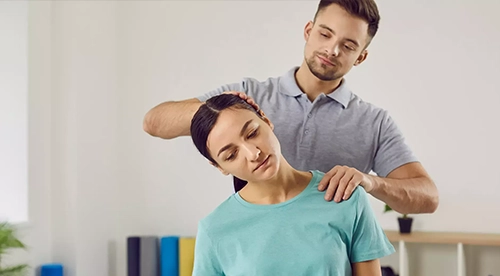
Gentle cranial and neck assessment considers headache patterns, jaw tension, trauma history, and nearby tissues before choosing any hands-on approach.
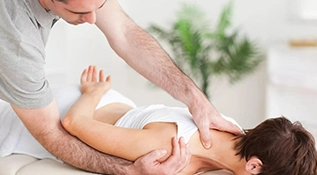
Our neck care examines discs, facet joints, muscles, ligaments, nerves, and motion patterns that contribute to stiffness after strain or whiplash.
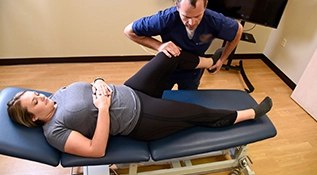
Back assessment includes lumbo-sacral joints, lower thoracic mobility, hips, knees, and referred complaints, which may require medical diagnosis before safe, adequate hands-on treatment can commence.
We calm rib, sternum, cartilage, and diaphragm restrictions, and reduce noncardiac chest wall discomfort.


Movement Assessments
Hands-On Sessions
Mobility Goals Reached
Returning Clients

We assess jaw, neck, pelvis, limbs, and breathing for mechanical influences.

We consider circulation, nerve symptoms, whiplash, and safety before cervical techniques.

We match pressure, positioning, and method to findings, comfort, and risks.
Reserve today and address lingering stiffness with purposeful osteopathic treatment techniques.

We study how bones, joints, fascia, muscles, nerves, blood vessels, and medical conditions may shape movement-related discomfort.
The brain and spinal cord have three protective tissue layers: pia, arachnoid, and pain-sensitive dura. Cranial approaches use gentle contact around the skull, sutures, jaw, and neck; however, claims about manually changing cerebrospinal fluid circulation or intrinsic skull motion remain unproven. Headaches, brain fog, or fatigue after trauma also deserve timely, appropriate medical assessment.

We explain benefits, limits, alternatives, and possible temporary soreness before treatment, then respect consent, comfort, health history, preferences, boundaries, and individual risk throughout every careful visit.
Our direct and indirect methods meet barriers or follow ease. Articular and muscle-energy methods mobilize joints; osteoarticular thrusts may click. Strain-counterstrain holds comfort, lymphatic work supports diaphragm motion, and myofascial release follows tissue response. Biodynamic explanations remain theoretical and lack scientific support.

Pelvic assessment considers sacral motion, pubic alignment, pelvic floor tension, groin symptoms, bladder changes, and pain extending into legs.
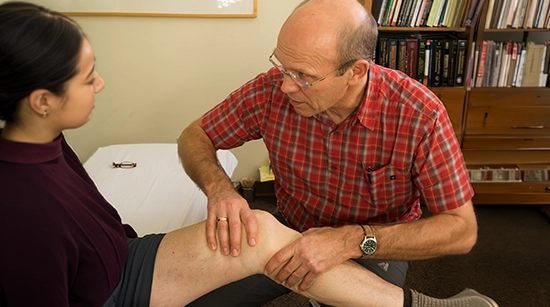
Our extremity care relieves residual sprain restrictions, joint compression, bone rotation, patellar tracking, postsurgical stiffness, and fascial imbalance. Hand tingling may involve local nerves, circulation, the neck, upper ribs, or thoracic outlet. Endometriosis and surgical adhesions require medical coordination; gentle mobilization may address surrounding musculoskeletal restriction without claiming direct adhesion removal during care.

We evaluate each complaint broadly, separating movement-related findings from symptoms needing imaging, laboratory testing, specialist care, medical management, or urgent clinical attention.
Our thoracic assessment reviews vertebrae, ribs, cartilage, sternum, breathing, and diaphragm motion after coughing, infection, or trauma. New, sudden, unexplained, or severe chest pain needs emergency evaluation before manual care. Chronic lung disease and asthma still require medical management, while osteopathic treatment may only support comfort and chest wall mobility.
At Madison Manual Medicine, every treatment plan is tailored to your unique needs and goals. We believe lasting results begin with understanding the root cause of your discomfort—not simply treating the symptoms. Through a comprehensive assessment and hands-on approach, we provide personalized care that helps reduce pain, restore mobility, and support long-term wellness. Whether you’re recovering from an injury, managing chronic pain, or seeking relief from everyday aches and tension, we’re committed to helping you move, feel, and live better. Our focus is on delivering compassionate, one-on-one care that empowers you to return to the activities you enjoy with confidence.
Schedule your appointment today and take the first step toward personalized care and lasting wellness.

The brain itself famously does not have sensory nerves, so your headache has to come from other tissues. The usual suspects include structures in the

We review trauma, infections, surgeries, neurological symptoms, vascular risks, and diagnoses before selecting appropriate techniques.

Layered palpation helps guide touch depth while your feedback determines pressure, positioning, pacing, and technique.

You receive practical movement advice, warning signs, and care coordination guidance supporting progress between visits.

Posted on Google![]()
Kathleen SchlagelTrustindex verifies that the original source of the review is Google.
I have been fortunate to have some of the best OMT in the States. MMM is great for people that are familiar with bodywork. As a trauma survivor please know that OMT involves work on the entirety of your body. I have done 30 years of cognitive and bodywork and He is the only one I will see in Madison. This is deep OMT. Other practitioners are focused solely on 1 branch of OMT but MMM is focused on multiple modalities. So, if you are comfortable building a working relationship with a physician and having 95% of your body involved in recovery, this is where you need to go. Look up the different OMT modalities to find a provider that is right for you. For me, MMM is the place for me in Dane County. Otherwise, move to Maine and see Dr. Anna Veach. These are the two I trust in the U.S. for deep body work.